Before turning 50, most lives have already been shaken by breakups, illness, money scares or deep betrayals. These shocks feel like permanent fractures, the kind that seem to prove everyone else is managing better than you. Yet for psychologists who study resilience, these same events often signal something very different: a robust emotional backbone that rarely makes the headlines, but changes the way a person stands in the world.
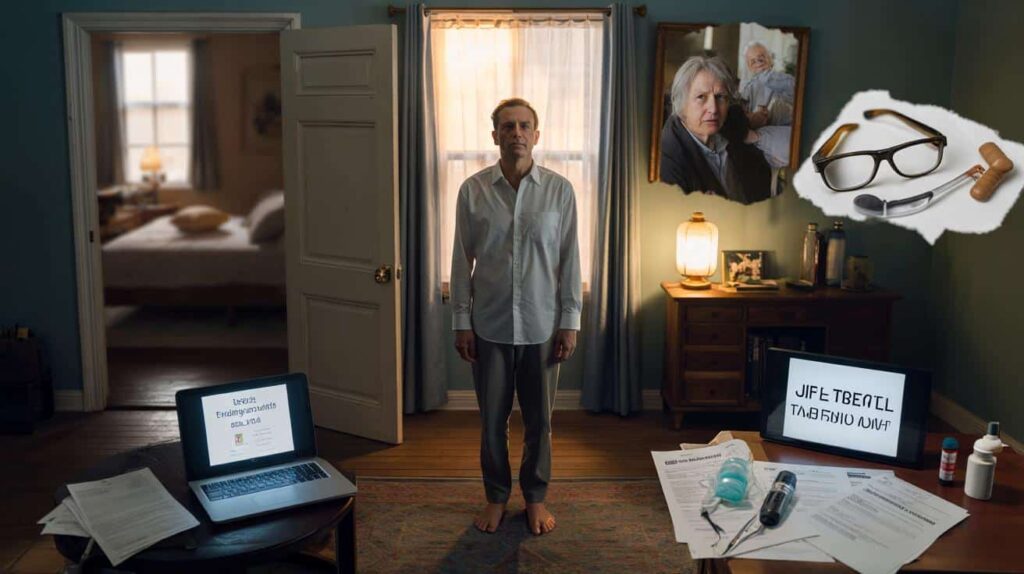
Nine hard experiences that often arrive before 50
Clinical research, including the work of US psychologist George A. Bonanno, shows that many people find a way back to psychological balance after major upheaval. The road is rarely smooth, but the capacity to adapt is far more common than we think. By their late forties, a large share of adults has met at least a few of these nine turning points:
- The end of a relationship you expected to last a lifetime, through death, divorce or a broken friendship.
- Watching your parents become fragile and having to make medical, financial or housing decisions for them.
- Facing illness, an accident or a diagnosis that changes daily life, sometimes overnight.
- Hitting burnout or a brutal career collapse that wipes out years of effort.
- Going through financial ruin or serious insecurity, from redundancy to unpaid bills piling up.
- Experiencing betrayal by someone you trusted completely, personally or professionally.
- Seeing a cherished project or dream fail despite long-term commitment and sacrifice.
- Becoming the main support for a loved one in deep psychological or physical distress.
- Living with your own anxiety, depression or other mental health challenges over time.
These nine events often feel like proof of failure, when they’re actually evidence of how much strain the human psyche can carry and still adapt.

Work, money and betrayal: where resilience is stress‑tested
Work is one of the first arenas where inner strength is tested. Burnout rarely arrives out of nowhere. It creeps in through overwork, blurred boundaries and the belief that saying yes is the only way to stay valuable. When the crash finally comes, people describe a terrifying emptiness: tasks that once seemed routine suddenly feel impossible.
That collapse, though, is also a brutal audit of priorities. Many who rebuild after burnout change jobs, negotiate workload, or abandon a relentless career ladder. Some start naming emotions at work, resist unpaid overtime, or accept that promotions are not the only badge of a worthwhile life.
Money crises cut even deeper into safety. A layoff, a failed business or the forced sale of a home can make identity wobble. People often talk about shame before they talk about fear.
Losing financial security can force a sharp distinction between “what I earn” and “what I’m worth”, a line many never draw until something breaks.
Serious money shocks also reshape how people judge risk. Someone who has lived through a collapsing investment, a fraudulent partner or an unpaid salary becomes more sceptical of glossy promises. That vigilance is not cynicism; it is a form of learned protection.
When family roles reverse
Around midlife, many adults stand between generations. Children may still need support, while parents start to lose autonomy. Watching a parent decline through dementia, chronic illness or frailty forces difficult conversations on housing, driving, or end‑of‑life choices.
This “sandwich” position drains time, sleep and often savings. It can also strain siblings who disagree about care. People in this role talk of being permanently “on call”, even when they’re at work or trying to rest.
Yet this long, exhausting stretch often reveals quiet capacities: staying organised under pressure, asking questions in medical appointments, and pushing for better care when needed. Learning to set boundaries with relatives and professionals becomes a survival skill rather than a personality trait.
Love, loss and the end of “forever”
The idea that a partner, or a best friend, will always be there rarely survives untouched to 50. A sudden breakup, an affair, a slow emotional drift, or bereavement can all rip holes in daily routines. Bedrooms, City streets or cafés turn into reminders of what vanished.
In the thick of it, the pain usually feels like evidence of weakness. People blame themselves for not having spotted the signs earlier, for choosing the wrong partner, for failing to fix things. Over time, another story can appear. Surviving heartbreak teaches a person what they will no longer tolerate, how to read red flags earlier, and how to protect their time and energy.

The ability to attach again after heavy loss does not erase grief; it shows that love and fear can share the same body without cancelling each other out.
Living with scars: when the body becomes a battlefield
Some trials leave visible marks. Survivors of serious accidents, burns or long hospital stays often describe a second, slower fight after they leave intensive care. One French firefighter, burned during a blaze and operated on dozens of times, is just one example of people whose daily routine revolves around skin grafts, rehabilitation sessions and pain management.
This long-haul recovery tends to break the myth of overnight comebacks. Strength in these cases looks like showing up to physiotherapy again, accepting help with basic tasks, and letting others see the new body instead of hiding indefinitely.
The silent work of facing your own mind
Among all nine trials, mental health struggles are often the least visible and the most misunderstood. Panic attacks that strike on the train, depression that makes getting dressed feel like climbing a mountain, or chronic anxiety that loops through worst‑case scenarios can consume enormous energy.
For many, the turning point arrives not with a miracle insight but with a practical decision: to seek therapy, try medication, learn breathing techniques or adopt mindfulness. Professionals insist that asking for help is not a sign of failure. It is a way to stop surviving on adrenaline and start building something more stable.
| Challenge | Hidden skill that often develops |
|---|---|
| Burnout or career collapse | Boundary‑setting, realistic self‑assessment, new definitions of success |
| Financial crisis | Risk awareness, budgeting, separating identity from income |
| Serious illness or accident | Patience, pain management strategies, asking for support |
| Betrayal or deep rupture | Improved judgement of character, slower trust, clearer deal‑breakers |
| Long‑term caregiving | Organisation, advocacy, emotional endurance |
| Chronic anxiety or depression | Self‑observation, early warning systems, coping routines |
Rethinking what resilience really means
Resilience is often sold as a cheerful bounce-back, as if people spring upright the moment a crisis passes. In psychological research, the picture is more nuanced. Resilience can mean holding steady during a storm, bending slowly over years, or rebuilding in a different shape altogether.
Three ideas repeatedly appear in studies and in patients’ stories:
- Acceptance of uncertainty: dropping the illusion that life can be fully controlled, while still planning and taking action.
- Meaning‑making: finding some personal sense or direction in what happened, without pretending that the event was “for the best”.
- Connection: drawing on at least one reliable relationship, whether friend, partner, therapist or group.
Resilience is less a personality gift than a set of habits: asking for help earlier, resting before collapse, saying no more often and catching warning signs instead of ignoring them.
Practical ways to work with these nine trials
For people in their thirties or forties, some of these shocks may still lie ahead. That does not mean passively waiting for disaster. Certain practices can cushion the impact:
- Keeping a basic emergency fund, even small, to buffer job loss or illness.
- Learning about burnout signs: sleep changes, cynicism, detachment, constant exhaustion.
- Documenting financial and legal information for ageing parents before a crisis hits.
- Scheduling regular health checks, including mental health conversations with a GP or therapist.
- Building one or two relationships where you can speak honestly without performance.
For those already living with anxiety, burnout or depression, mental health jargon can feel distant. Two concepts help frame everyday experience. “Triggers” are situations, thoughts or bodily sensations that typically set off intense reactions. Spotting them makes it easier to plan: for example, shortening late‑night social events if fatigue tends to spark panic. “Windows of tolerance” describe the emotional range where a person can function without feeling overwhelmed or numb. Simple practices, from steady breathing to short walks, aim to widen that window by tiny increments.
Across all nine trials, the same pattern appears: the goal is rarely to emerge unscathed. The deeper shift lies in learning to live with scars, adjust expectations and still pursue projects, relationships and pleasures. By 50, that quiet, practiced resilience often says far more about a life than any tidy success story.