Plain boiled potatoes quietly rule dinner plates worldwide, yet most of us still cook them in the dullest way possible.
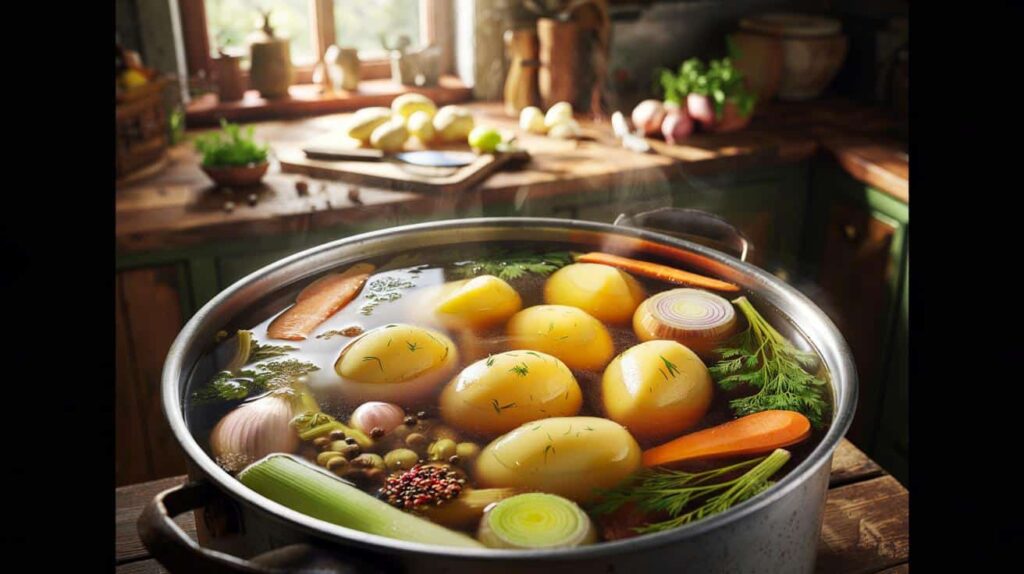
Across European kitchens, a simple switch is changing how people treat the humble spud: replacing water with fragrant vegetable broth. The method costs very little, needs no special skills, yet transforms both taste and aroma.
Why potatoes in water are yesterday’s side dish
For decades, the standard method has barely changed: peel, cube, salt the water, boil, drain, serve. It works. It’s fast. It’s also a bit boring.

When potatoes are cooked in plain water, a lot of their flavour and some nutrients leach out into the liquid, which is then usually poured down the sink. The seasoning is limited to salt, and any extra taste has to come later from butter, sauces or gravy.
Swapping water for broth turns the cooking liquid from a flavour thief into a flavour booster.
Across German-speaking social media and blogs, home cooks are sharing a simple trick: cook potatoes directly in vegetable stock so they soak up aromatics from the start. The result is a deeper, savoury taste before you even reach for the butter dish.
What makes an aromatic broth so effective?
Vegetable broth is essentially seasoned water enriched with the natural flavours of vegetables, herbs and spices. When potatoes simmer in this liquid, their mild, starchy flesh acts like a sponge.
Instead of absorbing only salt, they also take in:
- sweetness from carrots and onions
- earthiness from celery, celeriac or leeks
- fresh notes from parsley, dill or bay leaves
- subtle warmth from peppercorns, garlic or allspice
Potatoes cooked in broth taste seasoned from the inside out, not just coated on the surface.
This makes them more satisfying even with less butter and salt, which is handy for anyone watching their sodium intake or trying to cook a bit lighter.
How to make a simple vegetable broth for potatoes
You can use a ready-made stock, but many cooks prefer a quick homemade broth for more control over ingredients and salt levels.
Basic ingredients
| Ingredient | Typical amount for 1.5 litres of broth |
|---|---|
| Carrots | 2 medium, sliced |
| Onion | 1 large, halved (skin on for colour if washed) |
| Celery stalks or celeriac | 2 stalks or a thick slice |
| Leek | 1 small piece, well rinsed |
| Garlic | 2 cloves, lightly crushed |
| Fresh herbs | Handful of parsley, a sprig of thyme, or dill |
| Spices | 5–8 peppercorns, 1–2 bay leaves |
| Salt | To taste, added gradually |
Step-by-step broth method
Place all the vegetables, herbs and spices in a pot and cover with cold water. Bring to a gentle boil, then reduce the heat and let it simmer over medium to low heat for at least 30–40 minutes. The longer it simmers, the more intense the aroma.
Skim off any foam that rises, taste occasionally and adjust the salt. Once the vegetables are soft and the broth is fragrant, you can strain it or simply leave the vegetables in if you plan to add potatoes straight away.
Good broth should smell inviting before a single potato hits the pan.
If you use store-bought stock or a cube, check the label: avoid products loaded with artificial flavours, preservatives or extremely high sodium levels. You can always dilute concentrated stock with water and add your own herbs.

How to cook potatoes in broth
The technique itself is straightforward, and that’s part of its appeal: it doesn’t change your routine much, only your choice of liquid.
Method for broth-boiled potatoes
- Peel the potatoes and rinse them briefly.
- Leave them whole for a more traditional look, or cut into quarters or cubes for faster cooking.
- Bring your prepared broth to a gentle boil.
- Add the potatoes so they are just covered by the liquid.
- Reduce to a simmer and cook until tender:
- whole medium potatoes: about 25–30 minutes
- chunks or cubes: around 15–20 minutes
- Test with a knife: it should slide in easily with little resistance.
You can serve the potatoes directly from the broth with a knob of butter and some herbs, or drain them gently, keeping part of the liquid for gravy or soup.
The flavour of the potatoes will vary each time, depending on the vegetables and herbs you used in the broth.
What to serve with broth-cooked potatoes
Because they are already seasoned and aromatic, these potatoes pair well with both hearty and lighter dishes.
They sit comfortably next to meat mains like schnitzel, steak or meatballs, and they work just as well with baked or pan-fried fish. They also fit into vegetarian and vegan plates alongside roasted vegetables, pulses or plant-based cutlets.
Once cooled, they make a particularly good base for potato salad: the pieces stay flavourful even after being mixed with dressing or mayonnaise. They also mash beautifully into a creamier purée, since the broth adds depth before any milk or cream touches the pan.
If you plan to roast potatoes in the oven, partially cooking them in broth first adds a subtle savoury layer beneath their crisp, browned exterior. Leftovers the next day fry up nicely in a pan to make hash-style potatoes with a distinct, almost “Sunday lunch” aroma.
Health, flavour and a few practical notes
From a health perspective, vegetable broth lets you rely less on heavy sauces for taste. You can reduce added salt slightly, as herbs and spices deliver more complexity than sodium alone. Using the leftover broth as a base for soup or gravy also means fewer nutrients wasted down the drain.
There are a couple of points to watch. Broth cubes and instant stocks can be very salty, so taste before you add extra seasoning. People on strict low-sodium diets should use diluted stock or a homemade version with minimal salt. Those who need to avoid specific vegetables, such as celery, can tailor the recipe accordingly.
For home cooks who like to plan ahead, broth-based potatoes are handy in batch cooking. Make a large pot on Sunday in a lightly seasoned stock. One day they can be served simply with butter and dill, another day turned into salad, and a third day finished in a frying pan with onions and paprika.
Two cooking terms often appear in recipes and are worth clarifying. “Simmering” means keeping the liquid just below boiling, with small, lazy bubbles; this is ideal for broth and potatoes, as it keeps them from falling apart. “Parboiling” refers to partially cooking potatoes before roasting or frying them; doing this step in broth instead of water layers in extra taste before the final crisping.
Used thoughtfully, this one swap — water for vegetable broth — quietly upgrades a staple ingredient many families eat several times a week. The method stays simple, the shopping list barely changes, but the plate that reaches the table feels far more considered.