The kettle clicks off inside a modest terraced house on the edge of town. A 100-year-old woman rises from her armchair without pushing off with her hands. Her name is Margaret, though everyone calls her “Mags”. Her cardigan is buttoned unevenly, her lipstick slightly off-centre, and there’s a sharp, mischievous glint in her eyes that makes her age feel beside the point.
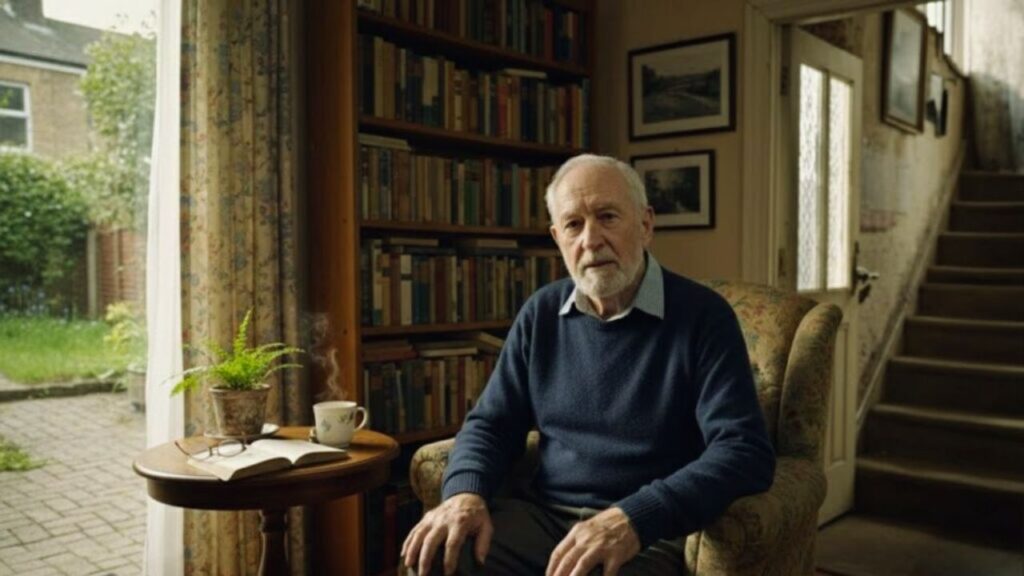
She still does her own shopping, still sweeps her front step, and still complains about the price of apples. When a social worker once mentioned a future care assessment, Margaret laughed so hard she had to sit back down.
“I refuse to end up in care,” she said, the words calm, firm, and final.

Without fuss or drama, she then explained the small daily habits she believes have allowed her to keep living on her own terms.
The quiet routines that help her stay at home
Margaret’s days wouldn’t look impressive written down. She wakes at 6:30 every morning, slides her feet into the same worn wool slippers, and sits briefly on the edge of the bed to “check if everything’s still attached.”
She stands slowly and moves. Not fitness classes or structured workouts. Just a gentle circuit of the room, a few arm circles, a soft sway through the hips so her joints remember what they’re for.
“I’m not fragile,” she says. “I just stiffen up if I stay still too long.”
Breakfast is always eaten at the same small table by the window, overlooking a street she’s watched for decades. Half a slice of toast, a boiled egg, and a mug of tea so strong that, as she puts it, “a spoon could stand up in it.”
The rhythm is plain, almost boring, and that’s exactly why it works. Research from the well-known Blue Zones shows that people who live beyond 100 rarely follow extreme routines. They move naturally, eat simply, and stay connected.
Margaret has never read those studies. She just shrugs and says, “Do a little every day, and you keep going.”
There’s no magic here and no shortcuts. She isn’t chasing trends or counting steps. Her strength comes from consistency backed by stubborn resolve. Walking to the shop instead of ordering delivery. Taking the stairs at the clinic. Standing up every hour, even when the television is absorbing.
She doesn’t manage it perfectly every single day. But she does it often enough. Over decades, that difference separates coping at home from waiting for care.
“I plan to leave this house walking”: habits she won’t abandon
The first rule Margaret lives by is bluntly simple: “Never stop doing what you don’t want to lose.” She still hangs washing outside, even when her daughter insists the dryer would be easier. She climbs her own stairs repeatedly, sometimes “forgetting” things upstairs just to force another trip.
This isn’t denial. It’s practice. Everyday chores double as quiet training. Reaching high cupboards keeps her shoulders working. Standing up from a deep sofa strengthens her legs. Carrying shopping home is, in her words, “my gym without the silly music.”
“If I give it up, I won’t get it back,” is the sentence she repeats most.

Food is handled with calm moderation. There’s no strict diet or banned list. Butter lives in the fridge, sugar in the cupboard, and chocolate appears for celebrations or comfort.
Her rule is balance and portion size. Soup once a day. Something green on the plate, even if it’s minimal. A glass of water alongside tea, after she fainted from dehydration decades ago and decided “once was enough.”
She’s watched friends move from cooking to frozen meals, then from frozen meals to barely eating at all. “That’s when they start to fade,” she says quietly.
Loneliness, however, is where she draws a firm line.
“Old age doesn’t finish you,” Margaret says. “Being empty does.”
She treats human contact like medicine. A short chat with the postman. A weekly phone call with a neighbour’s teenage daughter about music she doesn’t understand but enjoys hearing about. Church on Sundays, less for belief and more for routine and company.
The everyday habits she believes protect her independence
- Frequent gentle movement throughout the day, such as standing during adverts or stretching while the kettle boils.
- Simple, regular meals with vegetables, modest portions, and no extremes.
- Consistent social contact, even brief conversations or short phone calls.
- Household tasks as exercise, including stairs, light carrying, and cleaning both high and low spaces.
- Refusing to surrender key routines like dressing herself, managing medication, and setting her own schedule.
A long life without chasing the finish line
Margaret doesn’t see longevity as a goal. She isn’t aiming for a record age. What matters is choosing when she drinks her tea and knowing exactly where her slippers are.
Her habits aren’t about living forever. They’re about delaying the moment she hands over control. When she says she refuses to end up in care, it isn’t judgement. It’s a promise to herself to protect every small freedom for as long as she can.
Everyone recognises the moments when it feels easier to let someone else take over. Over time, those moments multiply. Laundry is handed off. Shopping becomes deliveries. Medication arrives pre-packed by someone else.
Each step often makes sense. Some are necessary, even lifesaving. But for Margaret, every surrendered task is also a step closer to dependence. She balances accepting help with holding tightly to the actions that remind her she’s still in charge.
Her life isn’t a universal formula. Bodies fail. Illness arrives without warning. Not everyone can walk to the shops or rely on nearby neighbours. Ageing is rarely tidy.
What she offers instead is a quieter question. Not “How do I live longer?” but “Which small actions today protect my independence tomorrow?”
For her, the answer lives in ordinary moments. Standing to make her own tea. Returning a call instead of postponing it. Climbing the stairs slowly, holding the rail, but still climbing.
Why these habits matter
- Daily light movement shows how strength and balance can be maintained without gyms or formal programmes.
- Protecting core tasks highlights the activities that most strongly support autonomy and delay dependency.
- Social contact as medicine offers a realistic buffer against loneliness, which is closely linked to faster decline.