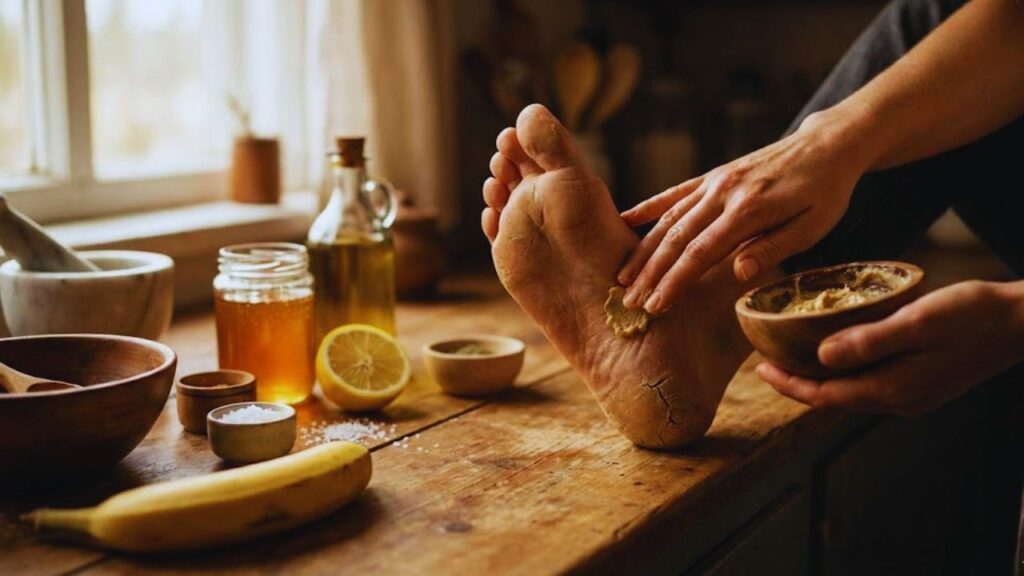
The first time you notice cracks on your heels, they are often subtle. Thin white lines appear across the skin, resembling a dried riverbed. Initially, you might ignore them, thinking they came from walking barefoot or wearing new sandals. But soon, a morning step on the floor feels rough and slightly painful. The cracks deepen, causing a sting and pull, and sometimes your socks get caught. These early signs are a gentle nudge from your body that your heels need care.
Why Your Heels Get Dry and Cracked
Your heels bear more pressure than you might realize. They strike the ground first with each step, absorbing the impact when you stand for hours or walk long distances. Often overlooked because they remain covered, the skin eventually shows wear through dry patches and cracks. Factors like hard floors, shoes with thin soles or open backs, long hot showers, cold weather, and indoor heating can all dry out the skin. When the thick protective layer becomes too dry, it loses flexibility and begins to crack. Giving your heels moisture and care supports natural healing and keeps them comfortable.
Simple Kitchen Remedies for Softening Heels
Your kitchen is filled with ingredients that can gently restore your skin. Olive oil moisturizes dry areas, while honey draws in hydration and soothes cracked spots. Milk and yogurt naturally soften rough skin, and combining sugar or salt with oil creates a gentle scrub for dead skin. Using familiar items makes the process simple and comforting. Understanding how each ingredient works helps you make your heel care routine effective and enjoyable, without the need for expensive or complicated products.

A Calming Evening Ritual for Healing Heels
Transform heel care into a gentle nightly routine. Start with a warm milk and salt foot soak for 10–15 minutes, adding a little olive oil to hydrate. Follow with a gentle scrub of sugar or fine salt mixed with oil, massaging circularly over rough areas. Next, apply a honey and yogurt mask for deep moisture, letting it sit before rinsing. Finish by rubbing warm oil into your heels and covering them with cotton socks overnight. This calming ritual softens skin, relieves discomfort, and encourages healing while you sleep.
 Simple Morning Hydration Routine That Enhances Skin Glow and Sustains Energy Throughout the Day
Daily Habits to Maintain Healthy Heels
Keeping heels smooth requires consistent care. Apply moisturizer after showers and avoid excessively hot water. Rotate shoes to reduce pressure, and stay hydrated throughout the day. Address dry patches promptly to prevent deeper cracks. These small, mindful steps protect your heels and ensure they remain comfortable, supporting you through daily activities.
When to Seek Professional Help
If cracks become deep, bleed, or do not improve despite regular care, professional advice may be necessary. Underlying health conditions can affect healing, and a podiatrist can recommend suitable treatments. While home remedies provide gentle relief, expert guidance ensures proper recovery and long-term heel health, allowing your feet to continue supporting your daily routines comfortably.
Quick Reference Table: Cracked Heel Care
| Step | Ingredients/Action | Duration | Benefits |
|---|---|---|---|
| Foot Soak | Warm water, milk, salt, olive oil | 10–15 minutes | Softens skin, relaxes feet |
| Gentle Scrub | Sugar or fine salt + olive/coconut oil | 5–10 minutes | Removes dead skin, smooths heels |
| Healing Mask | Honey + yogurt + few drops oil | 10–15 minutes | Deep moisture, soothes cracks |
| Overnight Treatment | Warm olive or coconut oil + cotton socks | Overnight | Locks in moisture, promotes healing |
| Daily Maintenance | Moisturizer, hydration, rotating shoes | Daily | Prevents cracks from returning |