Iron usually functions as a nutrient that helps algae grow. However when scientists studied a sediment core gathered in 2001 from the Pacific area of the Southern Ocean from a depth of more than three miles below the water surface they discovered something unexpected. Even with high iron levels the algae growth did not rise. Lead author Torben Struve from the University of Oldenburg explains that normally when iron supply increases in the Southern Ocean it would boost algae growth which then increases how much carbon dioxide the ocean absorbs. Struve served as a visiting postdoctoral research scientist in 2020 at the Lamont-Doherty Earth Observatory which belongs to the Columbia Climate School.
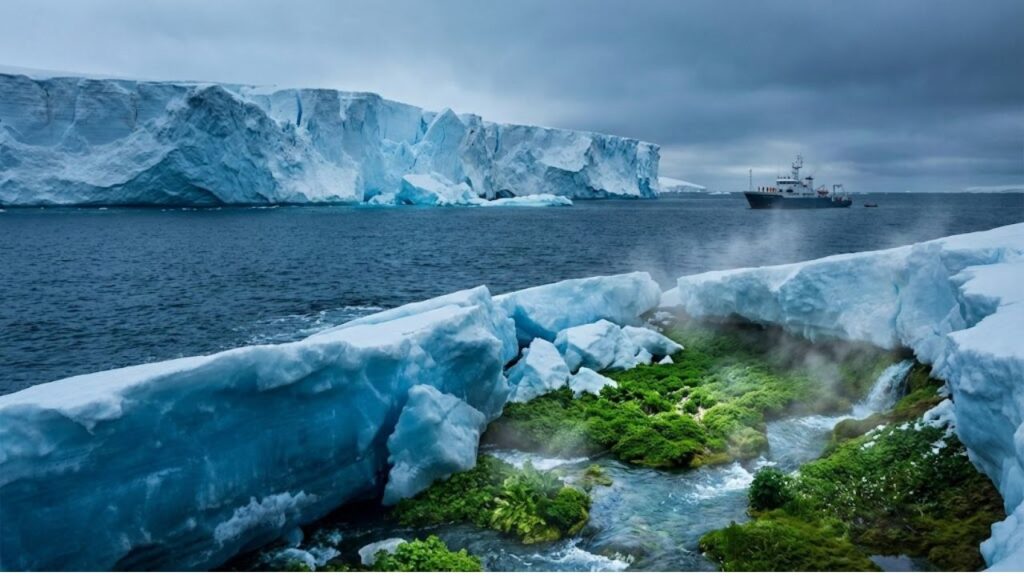
Why Iron From Icebergs Failed to Spark Algae Blooms
The research team investigated why the expected results did not match up by studying the chemical composition of sediment that icebergs carried. They found that a large portion of the iron had undergone significant weathering through chemical changes over extended time periods.
When West Antarctica experienced warmer conditions in the past and more ice broke away and moved north, most of the iron that ended up in the ocean existed in a form that dissolved poorly in water.

Algae cannot easily absorb this particular type of iron so even though more iron became available, it did not boost biological activity in the ocean.
The researchers determined from this evidence that if the West Antarctic Ice Sheet continues to shrink, the Southern Ocean may become less effective at capturing carbon dioxide from the atmosphere.
How Iron Normally Drives Ocean Carbon Absorption
In the waters around Antarctica iron is often the limiting nutrient for algae growth. Earlier studies showed that during ice ages strong winds transported iron-rich dust from continents into the ocean.
In regions north of the Antarctic Polar Front where cold Antarctic waters meet warmer northern waters this dust helped fertilize algae. When algae growth increased the ocean pulled more carbon dioxide from the atmosphere. This extra carbon absorption helped drive global cooling as ice ages started.
The new research examines waters south of the Antarctic Polar Front instead. Sediment records show that iron delivery peaked during warmer periods rather than during ice ages. The size and makeup of particles in the sediment core also showed that the main iron source was not windblown dust but icebergs breaking off from West Antarctica. Co-author Gisela Winckler is a professor at the Columbia Climate School and a geochemist at the Lamont-Doherty Earth Observatory. She says this reminds us that the ocean’s capacity to absorb carbon is not fixed.

Clues From Antarctica’s Past Ice Retreats
The research reveals important information about how the West Antarctic Ice Sheet responds to warmer temperatures. Struve notes that multiple recent studies indicate this area went through major ice loss during the last interglacial period around 130000 years ago when global temperatures matched current levels. Struve explains that their findings support the idea that West Antarctica lost substantial amounts of ice during that time. When the ice sheet broke apart in areas where it had grown several miles thick, it created numerous icebergs.
These icebergs scraped sediment from the underlying rock as they moved and carried this material into the ocean where it was released as the ice melted during their northward drift. The sediment core shows that iceberg activity peaked particularly during the final stages of glacial periods and when interglacial conditions were at their strongest.
Why Iron’s Chemical Form Makes All the Difference
According to Winckler the chemical form of iron matters more than the quantity entering the ocean. The research demonstrates that iron from icebergs may be much less bioavailable than scientists previously thought. This discovery changes our understanding of carbon uptake in the Southern Ocean. The research team thinks a layer of ancient and heavily weathered rock exists under the West Antarctic Ice Sheet.
During past interglacial periods the retreating ice sheet released icebergs that transported large quantities of these weathered minerals into the South Pacific. However algae growth stayed low despite the extra iron supply. Struve explains that the team found this result surprising because the total iron input did not control algae growth in this part of the Southern Ocean.
What These Findings Mean for Future Climate Change
As the planet warms up, the West Antarctic Ice Sheet might keep getting thinner and eventually look like it did during the last warm period between ice ages. Struve explains that current evidence suggests the ice sheet probably won’t collapse soon but the ice in that region is already getting thinner. If the ice keeps retreating, glaciers and icebergs will grind away weathered rock faster. This process could lower the amount of carbon that the Pacific part of the Southern Ocean absorbs compared to current levels. This creates a cycle that makes climate change worse.