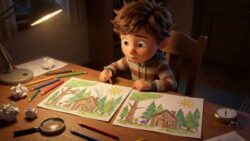
The sharp slam of a screen door, the metallic rattle of a lunchbox, the low murmur of a television while parents quietly debated bills—if you were raised during the 1960s or 1970s, these ordinary sounds likely linger more vividly than most classroom lessons. They formed the backdrop of daily life.
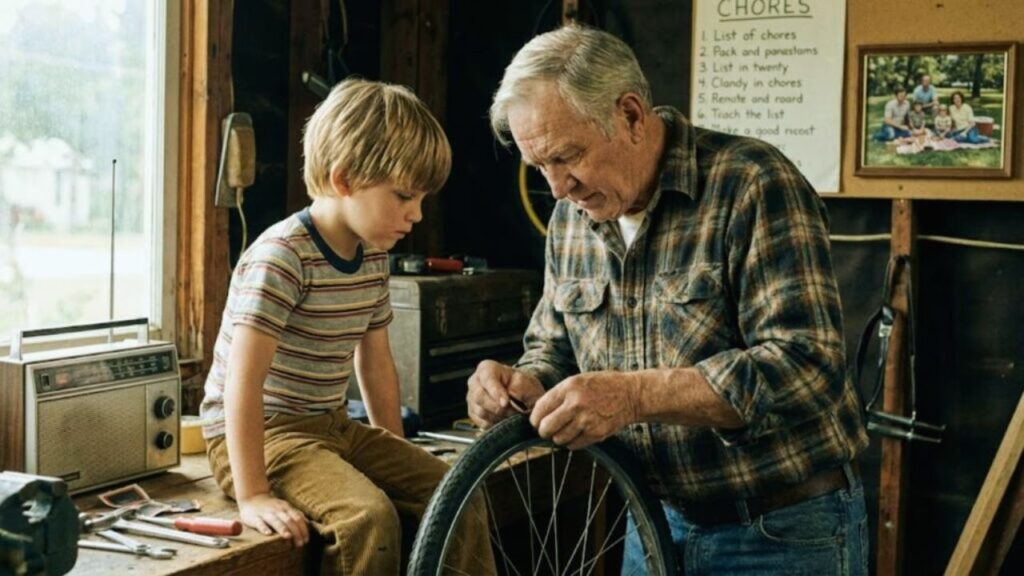
Within those moments were unspoken lessons no textbook ever recorded. Children walked to school alone, spoke to adults with formality, and waited patiently while the rotary phone stayed busy. There were no labels like emotional regulation or resilience. It was simply how life worked.
From “Figure It Out” to “I’ll Help You”
Children of the 60s and 70s were often expected to manage challenges before they felt prepared. Chores, bicycles, house keys, and real responsibility were handed over with a level of trust that might raise concerns today. Parents were not detached; they were navigating survival with limited safety nets and often multiple children under one roof.

These expectations quietly taught a powerful lesson: the world doesn’t stop to explain itself. You learned by watching, asking, copying, failing, and trying again. Self-guided learning wasn’t a trend—it happened naturally between homework and television.
A man now in his seventies recalls being handed a car repair manual at fourteen. His father pointed out an engine noise and asked him to read and report back, already heading out the door. With no tutorials or checklists, just a heavy manual and a long Saturday, the car still struggled by evening. Yet he knew every part under the hood and gained confidence through effort. Today, such a moment would likely involve a mechanic or an app, while the lesson of learning through trial quietly fades.
Why These Everyday Lessons Faded Away
Over time, culture shifted from endure and adapt to anticipate and protect. Parents are encouraged to prevent every scrape, schools are measured by safety records and test scores, and modern products promise effortless convenience. By removing obstacles, small chances to practise real-world skills also disappear.
When children no longer knock on a neighbour’s door to retrieve a ball, they miss simple social exchanges. When navigation is always handled by technology, problem-solving skills remain untested. Life’s small gaps once doubled as informal classrooms.
The Vanishing Skills of Respect, Patience, and Resilience
One lasting lesson from the 60s–70s was respect. Adults held authority, children understood boundaries, and small gestures—standing when a teacher entered or quieting at a look—reinforced that the world didn’t revolve around you.
Patience was learned through waiting: at bus stops, in clinics, or in parked cars while errands were done. A woman born in 1974 remembers circling toys in catalogues months before Christmas and waiting without certainty. That long pause shaped emotional resilience. Today, near-instant delivery removes many opportunities to learn delayed gratification.

These lessons were not always gentle. Emotional expression was often overlooked, yet a central truth remained: you can endure more than you expect. Scraped knees, missed buses, and playground disappointments quietly built resilience. While resilience is now taught in assemblies, fewer everyday chances exist to practise it.
Bringing These Lessons Back Into Modern Life
Reintroducing these values doesn’t require recreating the 1970s. It begins with leaving small gaps in a child’s safety net. Let them place an order, speak to a librarian, or knock on a neighbour’s door. In classrooms, controlled challenges such as group tasks with minimal guidance can rebuild confidence.
Protecting boredom matters too. Unstructured time strengthens imagination, self-regulation, and internal dialogue. Even one slow hour a week without screens allows children to explore independently. Minor frustrations, when safe, encourage growth.
Emotionally, the hardest change is resisting the urge to over-manage. While earlier generations relied on independence out of necessity, today’s adults often solve problems instantly. Simple reassurance like “I’m here, but I won’t do this for you” can help restore balance.
- Allow children to speak first, then clarify if needed
- Offer real choices with real consequences
- Share personal failures honestly
- Accept small losses, such as forgotten homework or a scratched bike
- Step in only for genuine danger, not everyday discomfort
How Old Lessons Still Appear Today
Listen closely and traces of the 60s–70s remain. A colleague calmly managing a crisis, a grandparent letting a child wrestle with a puzzle, or someone instinctively thinking, “What now?” after a setback all echo that era.
Many people still carry these habits—punctuality, thrift, responsibility—often without realising their origin. Respect, independence, and resilience can be passed on without fear or neglect, shaping future generations quietly.
Deciding What’s Worth Passing On
The real question is which lessons to keep. Thoughtful reflection can blend modern empathy with the quiet toughness of the past. Respect, patience, creativity born from boredom, and measured freedom remain essential skills, as relevant today as they were decades ago.
Key Lessons and Their Value Today
- Everyday independence: Small responsibilities handled without immediate rescue help build confidence and autonomy
- Respect and patience: Clear boundaries and waiting teach healthy responses to frustration and limits
- Resilience through practice: Safe exposure to failure, boredom, and minor risks supports balanced growth