Doctors, parents and regulators across Europe are reassessing how sperm banks screen donors, after learning that a Danish man whose sperm was used worldwide carried a rare mutation associated with aggressive childhood cancers.
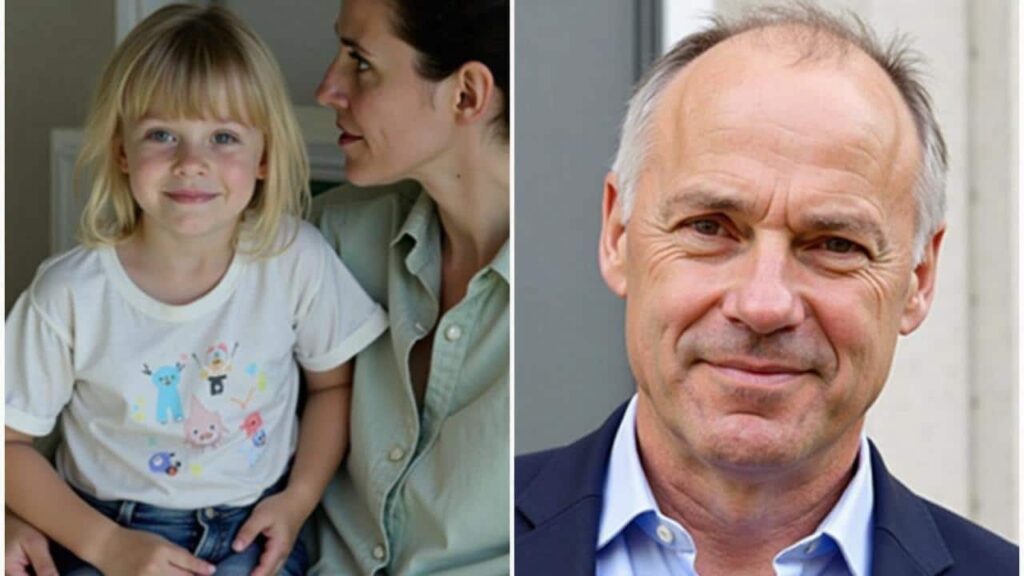
A global family built from one anonymous donor
From 2006 to 2022, an anonymous Danish sperm donor known by the pseudonym “Kjeld” helped infertile couples in at least 14 countries have children. His sperm was distributed through the European Sperm Bank, one of the largest facilities of its kind.
According to Danish public broadcaster DR, his donations led to the births of 197 children, including 99 in Denmark alone. For many parents, his profile had seemed reassuring: medically cleared, officially screened, and approved by a reputable bank.

For almost 16 years, clinics across Europe used this donor’s sperm, unaware that a cancer-linked mutation lurked in a fraction of his sperm cells.
The issue only emerged after several years, when doctors treating children conceived from this donor began to notice a worrying pattern: rare cancers at unusually young ages.
How the alarm was raised
In April 2020, the sperm bank received a report that a child conceived with this donor’s sperm had been diagnosed with cancer and was carrying a mutation in the TP53 gene, a key cancer-suppressor gene. At this stage, it looked like a tragic but isolated case.
Three years later, a second report arrived: another child, also conceived with sperm from the same donor, had cancer and the same type of TP53 mutation. Two cases with the same mutation from the same donor triggered serious concern.
Specialists ordered deeper genetic testing on frozen sperm samples from the donor. That analysis finally revealed what earlier routine screening had missed: a rare, previously undescribed TP53 mutation present in some of his sperm cells.
The mutation was not found in the donor’s blood or other body tissues, only in part of his sperm — a form of “mosaic” mutation that can slip under standard testing.
The donor himself does not appear to have cancer and is not considered affected by the mutation. That distinction is central to understanding how this situation arose in spite of screening protocols.
What is TP53 and why does it matter?
The TP53 gene carries the instructions for producing a protein called p53, often nicknamed the “guardian of the genome”. This protein plays a crucial role in preventing cells from turning cancerous.
When DNA inside a cell is damaged, p53 steps in. It halts cell division, triggers repair of the damaged DNA, or instructs the cell to self-destruct if the damage is beyond repair. That process stops faulty cells from multiplying and forming tumours.
When TP53 is mutated, p53 may become weak or dysfunctional. Damaged cells then have a greater chance of slipping through and growing into cancer. In families where every cell carries a TP53 mutation, doctors sometimes diagnose Li-Fraumeni syndrome, a rare condition that dramatically increases the risk of several childhood and early-adulthood cancers.
In this Danish case, things are more complex. The donor had a rare TP53 mutation only in a subset of his sperm cells, not in all his cells. That kind of change is called gonadal mosaicism.
A rare and difficult-to-detect mutation
European Sperm Bank has stated that this specific TP53 mutation had not been described before in medical literature. It appears to exist only in a fraction of the donor’s sperm cells, which created a genetic lottery for each child conceived with his sperm.
- Some children inherited the mutation and developed cancer.
- Some may carry the mutation but have not (yet) shown disease.
- Others likely did not inherit the mutation at all.
Routine screening at sperm banks often relies on questionnaires, family history, basic blood tests, and panels that look for more common inherited conditions. A rare mosaic mutation confined to sperm can slip through such nets, especially if the donor shows no symptoms.
The case exposes a blind spot in genetic screening: mutations that exist only in reproductive cells, not in the rest of the body.
Fertility treatment and the growing role of sperm banks
The story is unfolding against a background of rising infertility. In countries such as France, estimates suggest that between 15% and 25% of couples struggle to conceive after a year of unprotected sex. Similar figures are reported in several European nations.

Medical causes of infertility vary widely. In women, ovulation problems, blocked fallopian tubes or uterine abnormalities can interfere with conception. In men, low sperm count, poor sperm quality, hormonal disorders, varicocele (dilated veins in the testicle), genetic changes or past infections frequently play a part.
For many of these couples, donor sperm represents a chance at parenthood when other treatments have failed. Denmark, with its large and internationally connected sperm banks, has become a major supplier to fertility clinics across Europe and beyond.
Why one donor can have many children
Different countries set different limits on how many families or children can be created from a single donor. In some places, the rules are strict. In others, they are more flexible or poorly enforced.
Large sperm banks also export samples to numerous clinics in multiple countries, which can turn one individual donor into the genetic father of dozens, or even hundreds, of children worldwide.
| Aspect | Potential risk when using a prolific donor |
|---|---|
| Undetected genetic mutation | Many children may inherit a harmful change before it is recognised. |
| Tracking medical issues | Difficult to inform all affected families spread across countries. |
| Consanguinity | In smaller populations, half-siblings may unknowingly meet and have children. |
What this means for parents and would-be donors
For parents who used this donor, the immediate concern is whether their child carries the TP53 mutation and faces elevated cancer risk. In such cases, doctors typically suggest genetic counselling, followed by targeted genetic testing of the child.
If a mutation is confirmed, families may be offered closer surveillance, including more frequent check-ups and imaging, to spot any signs of cancer at the earliest possible stage.
For future donors, the case raises practical and ethical questions. Should sperm banks extend genetic testing to a far broader range of conditions? Or apply stricter limits on the number of pregnancies allowed per donor, so a single undetected mutation cannot affect so many children?
More comprehensive testing could reduce risk, but it also raises costs and tough ethical choices about which genetic variants should disqualify a donor.
Why more testing is not a simple fix
Genetic technology has become cheaper and more powerful, and full genome sequencing is now technically possible for donors. Yet wider testing brings new challenges.
Extensive genetic screens often uncover variants whose impact is unclear. These “variants of uncertain significance” can cause anxiety for donors and recipients without giving clear guidance. Strictly excluding all donors with any questionable variant could shrink donor pools and make treatment harder to access.
Regulators and professional societies now face a balancing act: reducing the risk of serious, preventable disease in donor-conceived children while keeping fertility treatment available and affordable.
Key terms and practical scenarios
Several technical terms are likely to appear as this story develops:
- Germline mutation: a genetic change present in every cell of the body, passed on to all offspring.
- Mosaic mutation: a mutation present only in a subset of cells, such as some sperm or eggs, but not in the entire body.
- Genetic counselling: a consultation where specialists explain genetic risks, testing options and possible outcomes to families.
Imagine a couple who had a child via donor sperm 10 years ago and now learn that their donor carried a rare mutation. They face several steps: obtaining records from the clinic, checking whether their child’s conception involved that donor batch, speaking with a genetic counsellor, and deciding whether their child should undergo testing. That process can be emotionally draining and legally complex, especially if the family lives in a different country than the sperm bank.
Another scenario involves future regulations. A national authority might require sperm banks to cap the number of children per donor, keep detailed records for decades, and introduce targeted gene panels for high-impact mutations like TP53. This could lower the likelihood that a single, undetected mutation affects a large group of children, while still avoiding blanket genome sequencing for every donor.
Behind the statistics and acronyms are families raising real children. The Danish case shows how a hidden flaw in a single donor’s genetics can echo through nearly 200 households, and it pushes fertility medicine to rethink where the line should be drawn between acceptable risk and preventable harm.