What looks like untidiness from above is, beneath the surface, a finely tuned engine of life, powered by worms, fungi and patient neglect. A growing number of gardeners are quietly abandoning plastic composters and deliberately handing the work back to nature.
From plastic bin to living soil factory
Traditional compost bins promised order: tidy piles, neat lids, a sense of control over rotting matter. They also brought smells, regular turning, confusion over “greens” and “browns”, and the nagging guilt of one more task on a long to-do list.
This new approach treats the entire garden floor as a compost system, not a separate container that needs constant attention.

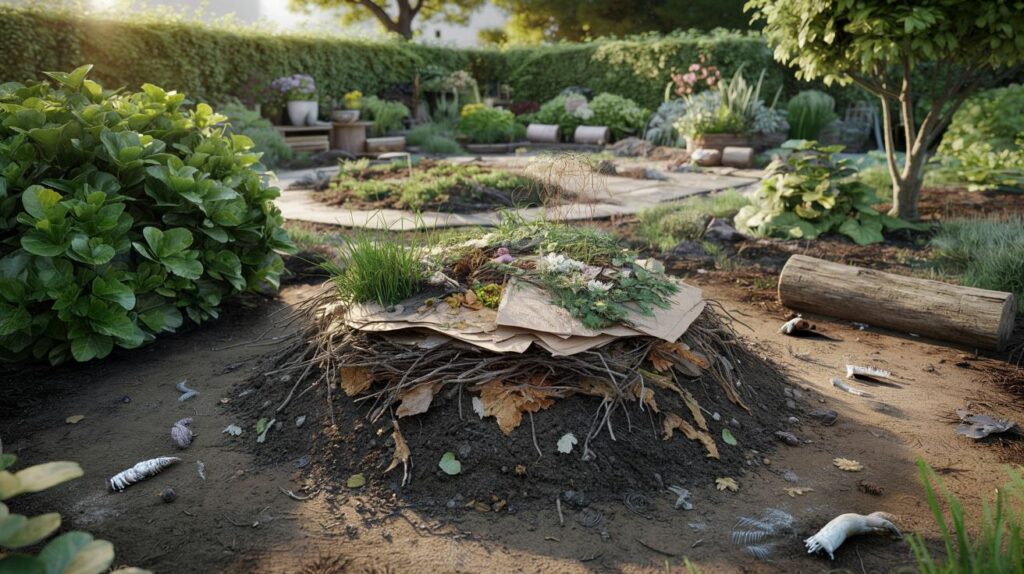
Instead of stuffing prunings and kitchen scraps into a bin, advocates of this low-effort method simply layer organic material directly on the soil, in a discreet area. The ground becomes the compost bin. Worms, beetles, springtails and countless microbes break down the debris exactly where plants need the nutrients.
The result is less work for the gardener and a steadily improving soil structure, rich in humus and life.
Building a refuge where nature does the work
The core of the technique is creating a small “refuge” for decomposition, usually in a back corner or under a hedge. It should be out of sight, shaded for part of the day and protected from heavy downpours.
Choosing the right spot
The ideal place is:
- On bare soil, not on paving or concrete
- Lightly shaded by shrubs, trees or a fence
- Sheltered from strong wind and direct, scorching sun
- Far enough from doors and patios to avoid attracting pests into the house
Once the spot is chosen, the gardener starts adding what most people treat as rubbish: fallen leaves, small twigs, pruned stems, dead annuals, a bit of grass clippings. No tumbling, no lids, no complex ratios.
A small, messy-looking corner quickly turns into a hub for decomposers, feeding the rest of the garden over time.
The layered approach: simple, quiet and effective
The method hinges on layering materials so the pile stays airy and moist, without smelling. Think of it as a forest floor in miniature.
How to build the layers
Gardeners who use this approach often follow a simple structure:
| Layer | What to use | Why it helps |
|---|---|---|
| Base | Twigs, small branches, coarse stems | Creates air pockets and drainage |
| Middle | Dry leaves, shredded cardboard, straw | Holds moisture, feeds fungi and bacteria |
| Top | Fine debris, spent flowers, a bit of grass | Protects from sun, keeps smell down |
Once the materials are in place, they are gently pressed down by hand or foot to prevent them blowing away, but not compacted into a tight mat. After that, the instruction is disarmingly simple: walk away.
The deliberate decision not to turn, stir or micro-manage the pile allows delicate underground habitats to form and stabilise.
Life underground: the hidden workforce
Beneath a few inches of leaf litter, an entire food web sets to work. Earthworms drag fragments of leaves into their burrows, digesting them and excreting casts that act as a slow-release fertiliser. Millipedes and woodlice break down tougher fragments. Fungi thread through the pile, transporting nutrients between particles of decaying wood and living plant roots.
Over several months, what started as a random heap turns into a dark, crumbly layer that smells like a walk in an old woodland after rain. That scent signals healthy microbial activity and a rising level of organic matter in the soil.
Gardeners report looser soil, fewer cracks in summer and plants that cope better with both drought and heavy rain.

This slow conversion also anchors carbon in the ground, which can modestly reduce climate impact at a household scale.
The “hands-off” philosophy that challenges old habits
Many gardeners struggle with the idea of not intervening. The instinct is to tidy, to stir, to optimise. This approach asks for restraint.
What to avoid adding or doing
- No turning or forking the pile, as this breaks up fungal networks and exposes invertebrates
- No cooked food, meat, dairy or oily leftovers, which can attract rats and foxes
- No large quantities of one single material, such as thick layers of grass clippings that can turn slimy
- No direct hose blasts: a light watering is enough if conditions are very dry
Signs that the system is working well include a gradual sinking of the material, an earthy smell and the presence of worms whenever the surface is gently lifted. If the pile seems too dry, a thin top-up of fresh leaves or a light watering usually sets things back on track.
Why many gardeners are switching from bins to “floor composting”
This technique appeals to people who want healthy soil without turning their garden into a small waste-management site. It suits those with less time, limited strength or a dislike of constant tinkering.
Once established, the system quietly reduces green waste, feeds the soil and shrinks the need for bought fertiliser and peat-based compost.
Here are some of the benefits often reported:
- Less physical effort than turning a conventional compost heap
- Fewer plastic structures in the garden
- Improved moisture retention in flowerbeds nearby
- Higher biodiversity, including birds that hunt insects in the decomposing area
- A more relaxed attitude toward leaves and “mess”, which are re-framed as resources
Practical scenarios for different types of gardens
Small urban garden
In a city courtyard, a tiny refuge tucked behind a shed can still host impressive activity. A single square metre of layered material, refreshed with prunings and fallen leaves through the year, can support enough earthworms to nourish container beds nearby. In such settings, some gardeners lay a simple mesh on top to deter pets and keep everything in place on windy days.
Family garden with children and pets
Where children and dogs tear around, the decomposing zone can be marked out with low logs or stones. Kids often become fascinated by beetles, centipedes and worms living there, turning the spot into a living science lesson. Clear rules about what can be added to the pile help avoid food scraps that might lure animals.
Risks, limits and how to manage them
This approach is not entirely risk-free. A pile kept too wet in a constantly shaded, poorly drained spot can become anaerobic, leading to a sour smell. Moving some material to a slightly drier place or adding more coarse twigs usually improves air circulation.
In areas with serious rat problems, neighbours or local councils may object to any unmanaged organic pile. In such cases, using sturdy wire mesh at the base, avoiding any food waste and keeping the layer relatively shallow can reduce risk. If the problem persists, alternating this method with a secure closed bin may be prudent.
Going further: combining techniques for resilient soil
Many experienced gardeners now blend this “let it lie” method with mulching and occasional trench composting. For example, after a season of decomposing in the refuge, partly-rotted leaf mould can be forked gently onto vegetable beds as a surface mulch. Roots then grow into this soft layer, mining it for nutrients and moisture.
Another strategy is to rotate the refuge itself. Every couple of years, the existing decomposed layer is spread over planting areas, and a new corner is chosen as the active zone. Over time, this rotation gradually upgrades the entire garden soil, patch by patch.
The central idea remains constant: stop fighting decay, and start using it as a quiet ally for a richer, more resilient garden.