Across Europe, and increasingly in the UK and the United States, many older adults are making difficult daily choices just to stay warm. Some ration heating, others wear heavy coats indoors, while many spend hours in shopping centres to escape the cold. Despite this growing reality, one of the safest and most cost-effective long-term heating solutions—the heat pump—remains largely overlooked by the people who could benefit from it most.
A Growing Problem Hidden Behind Closed Doors
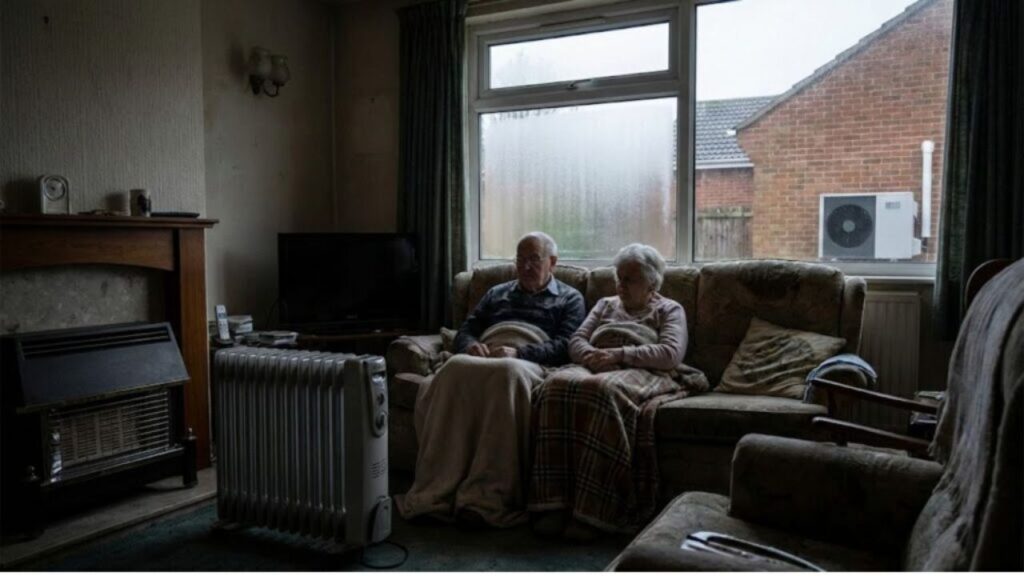
The experience of 89-year-old Émile in northern France is extreme, yet deeply revealing. After a fire damaged his home, he now spends his days inside supermarkets to keep warm and returns each night to a living room that falls to 8°C. Sleeping on cardboard in a stripped-back house with exposed walls and hanging wires, he waits for renovations that are repeatedly delayed.
Campaigners stress that Émile’s situation is not an isolated case. Many seniors live in dangerously cold homes, even though safer, cleaner, and more affordable heating options are available.

Cold living conditions do far more than cause discomfort. They significantly increase the risk of heart disease, respiratory problems, depression, and early death. While governments promote heat pumps as the future of home heating, uptake among retirees remains low. Many continue relying on ageing gas boilers, risky electric heaters, or even illegal wood collection to stay warm.
Why Heat Pumps Make Sense for Older Adults
For seniors struggling with traditional heating systems, heat pumps offer several practical advantages:
- No lifting firewood or carrying fuel
- No urgent winter calls to fuel suppliers
- No handling of ash, matches, or kindling
Many modern systems can also be controlled remotely. Family members or carers can monitor and adjust indoor temperatures through a smartphone, providing peace of mind for older adults who live alone. For most seniors, daily operation is reduced to a simple dial turn or app tap.
Consistent Warmth and More Predictable Bills
Heat pumps are highly efficient, using one unit of electricity to generate multiple units of heat. This efficiency is especially important for retirees on fixed pensions or Social Security. In many cases, running costs are lower than oil, LPG, or direct electric heating.
Having stable and predictable monthly bills can mean avoiding the painful choice between heating and food. Heat pumps also help reduce greenhouse gas emissions and improve air quality, which is particularly important for seniors with heart or lung conditions.
Why Many Seniors Still Hesitate
The Emotional and Psychological Barrier
Many retirees have lived in the same home for decades and are comfortable with familiar boilers and routines. Change can feel risky, especially later in life. A major installation project at 75 or 85 may seem overwhelming, and concerns about home disruption are common.
For some, heat pumps feel experimental or unfamiliar, especially for those who grew up with coal fires or oil heating. Emotional ties also matter. Older adults may hold onto systems installed with a late spouse or equipment they worked years to pay off.

High Upfront Costs Create Fear
The initial cost of installing a heat pump can reach several thousand pounds or euros. Even with government subsidies, the first quote can be shocking for someone used to modest annual boiler servicing.
Complicated forms, income thresholds, and technical requirements often add to the stress. As a result, many seniors continue relying on portable electric heaters or outdated systems, despite higher long-term costs and safety risks.
The Often-Overlooked Dangers of Traditional Heating
Wood Fires: Familiar but Risky
Wood-burning stoves may feel comforting and traditional, but they come with serious drawbacks:
- Illegal wood collection in forests
- Large fines for unauthorised gathering in some countries
- Physical strain from lifting and carrying logs
- Smoke and fine particles that worsen asthma and bronchitis
What once felt self-sufficient can quickly lead to injury, legal trouble, and health complications.
Gas Boilers and Portable Electric Heaters
Older gas boilers, particularly those not regularly serviced, pose risks of carbon monoxide leaks, sudden failures, and hard-to-find spare parts. Portable electric heaters, while easy to use, are expensive to run, increase fire risk, and often leave most of the home cold.
As a result, many seniors confine themselves to a single heated room, reducing mobility and overall comfort.
Financial Help Exists, but Many Seniors Miss It
Across Europe, governments offer subsidies, grants, and low-interest loans to support heat pump installation. However, older adults frequently miss out due to poor communication, limited digital access, fear of scams, or simple paperwork fatigue.
Without clear guidance and hands-on support, many seniors never access the assistance designed to help them live warmer, safer, and more secure lives.
Common Types of Support Available
- Government installation subsidies
- Low-interest or zero-interest loans
- Energy efficiency grants
- Local authority support programs
| Type of Aid | What It Does | Who It Targets |
|---|---|---|
| Direct Grant | Reduces the price of the heat pump and installation | Low- and middle-income homeowners, often including pensioners |
| Energy Company Incentive | Cash or rebate funded by utility firms for efficient systems | Customers upgrading old boilers or electric heating |
| Zero or Low-Interest Loan | Spreads upfront cost over several years with limited interest | Owners with sufficient income to repay slowly |