Moments without messages, notifications or small talk can look like a social failure from the outside. Inside, they often feel like oxygen. As research slowly untangles loneliness from chosen solitude, a different picture of mental health is emerging.
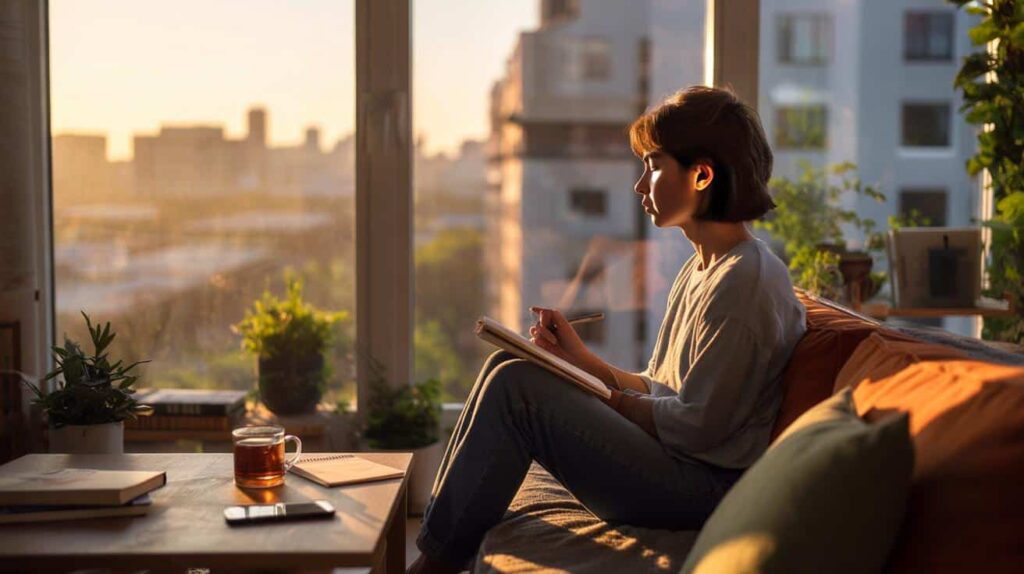
The hidden line between solitude and isolation
We tend to throw every quiet evening into the same bucket and call it “being alone”. Psychologists say that blurs two very different realities: solitude and isolation.
Solitude is the time you choose for yourself. Isolation is the distance you feel when you no longer have a choice.

Recent French data highlight this split. The Fondation de France estimates that around 12% of people in the country live in what researchers call “relational isolation”: no regular contact with friends, colleagues or family. One in four reports feeling lonely on a recurring basis. Young adults, often assumed to be more socially active, are among the most vulnerable.
Those numbers echo trends seen in the UK, US and across Europe since the Covid-19 pandemic. Social lives moved online, work became more remote, and many people ended up surrounded by screens yet short of genuine connection.
When solitude is chosen, it heals
Alongside that bleak picture, another story exists. A 2023 study in Nature Scientific Reports suggests that wellbeing rises when people manage a healthy balance between time alone and time with others. Those who regularly carve out solo time on purpose report higher life satisfaction and steadier emotions.
Psychologists sometimes call this “restorative solitude”. No pressure to perform. No need to respond instantly. Just a mental off-switch. In these quiet stretches, the brain often shifts into what neuroscientists know as the “default mode network”, a state linked to creativity, memory consolidation and self-reflection.
Artists talk about needing to be alone to create. Parents describe those rare minutes behind a closed door as sanity-saving. Even people who love company often say their best ideas arrive in the shower, on a solo commute, or during a walk without headphones.
Used wisely, solitude works like a reset button: it lowers mental noise so thoughts and feelings can line up more clearly.
This kind of being alone is not about rejecting others. It rests on a quiet confidence: “I can enjoy my own company, and I still belong.” The social ties are there. The person is simply stepping back for a while.
When being alone starts to hurt
The picture changes when solitude is no longer a choice. When texts stay unread not by preference but because no one sends them. When weekends stretch out without plans, and the silence feels hostile.
Public health data link this unwanted isolation to a higher risk of depression, anxiety and sleep disorders. Some studies suggest the brain registers chronic loneliness in ways that resemble physical pain. That persistent social hunger triggers stress systems and raises inflammation in the body, which may help explain links to cardiovascular problems and weaker immune defences.
Adolescents appear particularly exposed. French figures from 2024 show that teens who often feel alone display more signs of psychological distress. Among adults, isolated people are far more likely to describe themselves as unhappy and to feel useless or excluded.
Long-term isolation is not just a sad feeling. It acts like a slow health stressor, chipping away at mood, body and motivation.
Learning how to be happy alone
Turning solitude from a threat into a resource starts with a shift in mindset. Being alone does not automatically mean being rejected or failing socially. It can also mean taking a conscious pause.
Three practical steps to friendlier solitude
- Tame the silence: small, regular doses help. Switch your phone to airplane mode for 20 minutes, go for a walk without a podcast, sit with a hot drink and no screen. The goal is to let your nervous system calm down, not to prove anything.
- Adjust the dosage: solo time works best when it alternates with genuine contact. People who move between the two tend to show more empathy and emotional flexibility. It becomes easier to listen, because you are less overwhelmed.
- Watch for the tipping point: if days alone start to feel heavy, if you lose the urge to see others, or dark thoughts become frequent, that suggests isolation is settling in. Talking to a GP, counsellor or helpline at that stage can prevent deeper suffering.
None of these steps require a total lifestyle overhaul. They work more like micro-adjustments, signalling to your brain that being alone is safe and intentional, not a punishment.
 People who clean while cooking have these 9 special psychological traits, according to research
Why constant connection can backfire
One reason people struggle with solitude is simple: they rarely experience it. Messages ping through late at night, meetings spill into evenings, and quiet moments are instantly filled by scrolling.
That permanent connection has a cost. Attention gets fragmented, emotional states are constantly nudged by news and notifications, and comparison to others ramps up. In that context, choosing solitude can look like a radical act, even if it’s just putting your phone in another room for an hour.
Short, protected pockets of disconnection often do more for mental health than long, unfocused breaks glued to a screen.
Some therapists now suggest clients schedule “offline appointments” with themselves. The structure matters less than the consistency: a weekly solo coffee, a morning journal session, a half-hour walk. Over time, these habits teach the brain that being alone is predictable and safe.
Who feels alone most often?
Social and economic conditions shape how solitude is experienced. People with secure work and strong local networks can usually choose when to retreat and when to re-engage. Those without that safety net often cannot.
| Group | Risk factors for isolation |
|---|---|
| Unemployed adults | Loss of work contacts, financial stress, lower self-esteem |
| Young adults | Unstable housing, study moves, pressure to appear “social” online |
| Older people living alone | Bereavement, mobility issues, digital barriers |
| Carers and single parents | Time pressure, fatigue, limited adult conversation |
French figures from 2024 suggest that people without a job are almost twice as likely to feel alone as those in work. Economic insecurity and the loss of everyday workplace chats both seem to deepen social disconnection.
Turning alone time into a mental health tool
One way to rethink solitude is to treat it like sleep: a basic human need with a “just right” zone. Too little, and you feel scattered and overstimulated. Too much, and energy and mood decline.
A simple rule of thumb is to check how you feel after being alone. If you come back clearer, calmer or more motivated, you are in the restorative range. If you return flatter, sadder or more anxious, the balance may be off.
Everyday scenarios that shift the balance
Picture two evenings.
In the first, you stay late at the office, grab dinner on the sofa with a laptop, answer messages until midnight and fall asleep scrolling. You were physically alone for hours, but your mind was crowded.
In the second, you leave on time, cook something simple, put your phone in another room and watch a film or read. Maybe you call one friend for ten minutes. Same number of people in the room; completely different impact on your nervous system.
That small change in structure turns lonely time into chosen solitude. Over weeks, it can shift stress levels and emotional resilience in a very tangible way.
Key ideas behind the science
Several psychological terms crop up in studies on solitude that are worth unpacking:
- Perceived loneliness: how alone you feel, regardless of the number of people around you. Someone in a crowded flatshare can feel lonelier than a person living alone with close friends nearby.
- Social support: the sense that at least one person would listen and help if needed. This matters more for mental health than the total size of a social circle.
- Default mode network: a brain network that becomes active during rest and daydreaming. Healthy stretches of solitude seem to give it space to do its job, supporting creativity and self-understanding.
When these pieces align, periods of being alone stop looking like a threat and start functioning as a quiet mental health resource, especially in a noisy, demanding society.